This imbalance is expected to intensify through 2026 – 2028, particularly for high-specification units in the 12,000 – 16,000 BHP range with strong bollard pull capabilities. Charterers are increasingly prioritizing reliability, DP capability, multi-role functionality and large DWT, placing additional pressure on the limited pool of suitable vessels.
From an investment standpoint, this environment presents a strategic entry window. Asset values, while recovering, have not yet fully priced in the forward demand curve. Buyers positioning themselves early stand to benefit from both capital appreciation and strengthening charter rates.
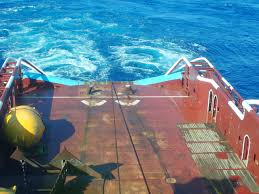
It is understood that a limited number of high-quality DP2 AHTS units and MPSV’s are currently being evaluated for potential acquisition, including recently upgraded and newbuild vessels aligned with future project requirements.
Market participants are advised to closely monitor availability and act decisively where suitable opportunities arise, as competition for modern offshore tonnage is expected to increase significantly over the coming quarters.
For further discussion or access to detailed insights, please contact our team directly at management@horizonoffshoreservices.com