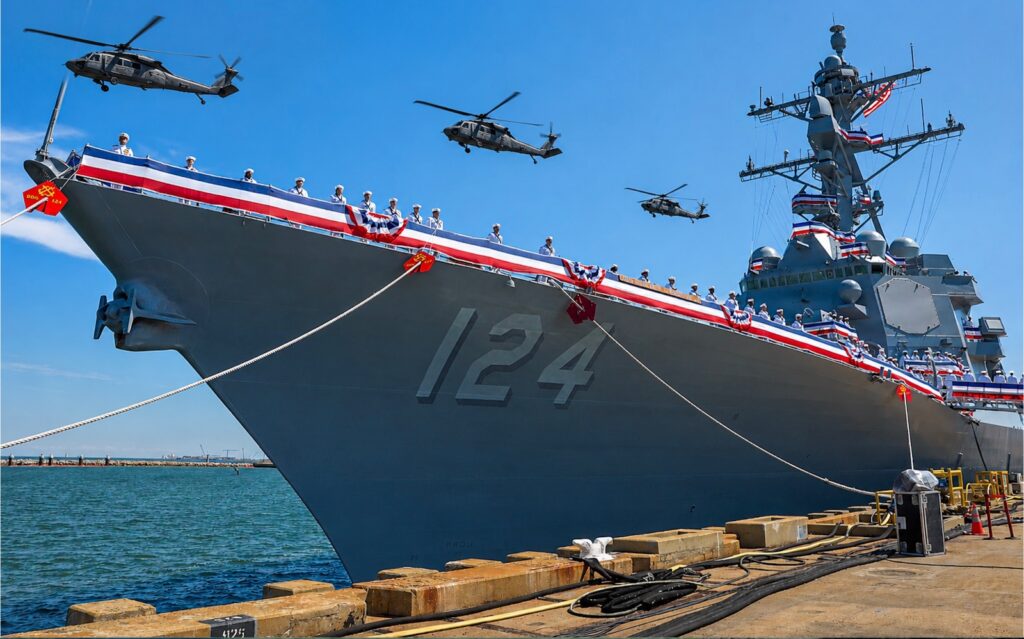
📊 In conclusion: The U.S. Navy Shipbuilding Plan 2026 marks a turning point in American maritime strategy. It shapes capital needs, build timelines, and industrial investment across the entire naval sector. The Golden Fleet Initiative commits $305.7 billion in battle force investment over the FYDP alone. In addition, it introduces new ship classes, expands distributed shipbuilding, and launches AI-driven production tools through ShipOS. As a result, this plan creates the strongest demand signal in peacetime U.S. naval history.
For shipbuilders and suppliers, understanding this plan is essential. It defines where contracts will flow, how procurement will work, and what performance standards will apply. Furthermore, those who act early will have a clear advantage. Securing financing, upgrading facilities, and building project management strength now – before production rates accelerate – is the smartest move.
What the U.S. Navy Shipbuilding Plan 2026 Means for Industry
The plan sets a 355-ship battle force target by FY40. It also mandates 450+ total naval vessels by the early 2030s. Moreover, it commits $19.3 billion in additional industrial base investment above prior budget levels. These figures are not projections – they are funded commitments with accountability structures attached. Therefore, suppliers and shipyards that prepare now will be positioned to capture the most valuable long-term contracts. For more, explore our guides on naval shipbuilding finance and U.S. defense industrial base strategy.
⚓ NAVAL SHIPBUILDING FINANCING & PROJECT MANAGEMENT
Horizon Offshore Services funds U.S. shipyards, prime contractors, and suppliers. We provide structured capital and project management built for naval contracts. Our solutions cover dry dock upgrades, workforce hiring, and ShipOS integration. Moreover, we align repayment schedules to your Navy contract revenue – not generic commercial terms. We deliver the financing and execution discipline the Golden Fleet requires.
For confidential enquiries, contact: