⚓ Reactivating a laid-up offshore support vessel isn’t a restart – it’s a reinvestment. Most Shipowners underestimate total reactivation costs by 20-30%.
The hidden costs go far beyond class renewal:
⚙️ DP & automation recalibration
🧰 OEM reinstatement & crew readiness
🕒 Delays from global supply chains
In today’s market, budgets below 15% of replacement value are rarely realistic. With Horizon Offshore Services LLC, phased reinstatement can cut downtime by up to 40%.
Reactivation Success = Strategy + Timing
Our proven 5-step framework ensures results: –
1️⃣ Class & technical assessment
2️⃣ Market & financial feasibility
3️⃣ OEM/vendor precise coordination
4️⃣ Competent crew qualifications
5️⃣ Charter pre-alignment
⏱ In 2025, timing beats pricing – time overruns now cost more than budgets. Strategic owners plan reactivation when charter visibility hits 6-9 months.
Digital Data = Hidden Profit
Smart shipowners treat reactivation as a data recovery project first: –
✅ Maintenance & equipment logs
✅ DP/control backups
✅ Digital asset records
Missing data can inflate costs by 25% !
Reactivation vs. Newbuild
Reactivation remains 50-60% cheaper than newbuilds – but hybrid retrofits now redefine ROI.
💡 Hybrid-assisted reactivations reduce fuel burn by 15% while extending vessel life.
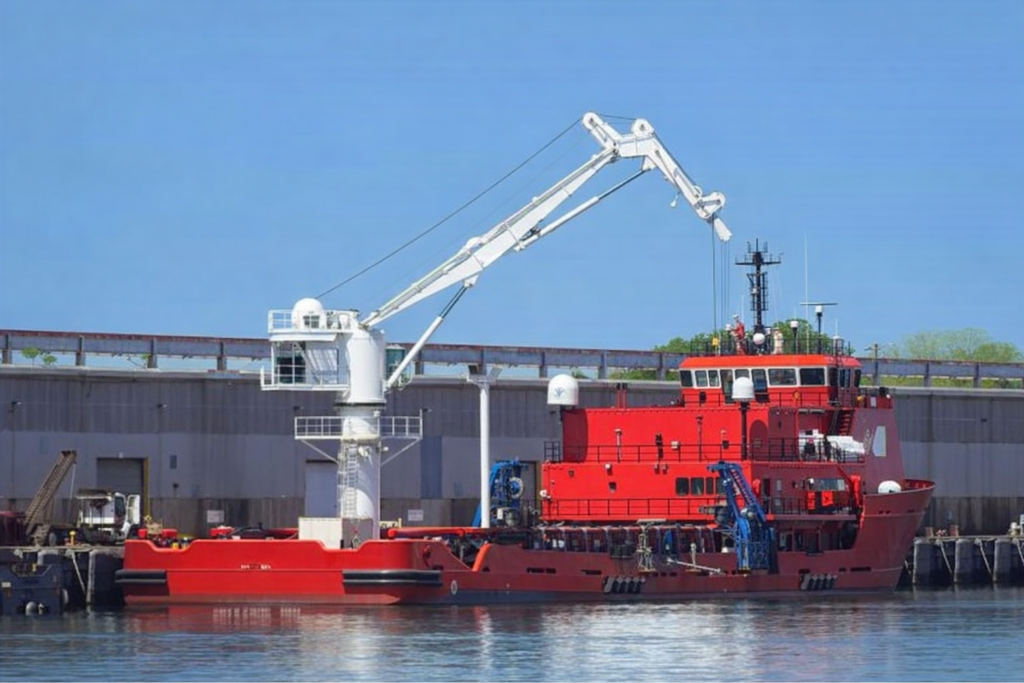
Idle OSVs Reactivation Driven by Tightening Demand & Rising Day Rates:
a) CapEx vs Opex trade-offs: Reactivating an older vessel is typically cheaper in up-front capital than building new, but can carry higher maintenance, fuel, crew, and regulatory‐compliance costs. Executives evaluate total lifecycle cost, not just initial investment.
b) Speed to market: Reactivation can be faster than commissioning newbuilds, so in markets with rapidly rising day rates or tight vessel availability it can offer quicker returns. Executives may choose reactivation if project schedules require fast vessel deployment.
c) Risk of obsolescence: Older vessels may struggle to meet newer environmental or safety regulations (e.g. emissions, engine standards, class rules). Thus, when reactivating, companies must assess whether retrofits will be required, and whether those costs are acceptable.
d) Fleet mix & reputation: High utilization also means customers/charterers may prefer more modern or greener vessels. Executives must balance cost savings from older vessels with maintaining competitive offerings (i.e. vessels with DP-2/ DP-3, fuel efficiency, environmental credentials).
Let’s develop the right reactivation strategy for your fleet, which includes financing upon request.
Send us an email with required vessel scope of work to:
📩 management@horizonoffshoreservices.com.
Horizon Offshore Services technical team will assess and provide an Exclusive Vessel Reactivation Benchmarked System, a field-tested methodology designed by highly-experienced marine and financial specialists in order to maximize efficiencies and asset value, optimizing vessel readiness and performance.